
Tinggalkan pesan
Jika Anda tertarik dengan produk kami dan ingin mengetahui lebih detail, silakan tinggalkan pesan di sini, kami akan membalas Anda sesegera mungkin.

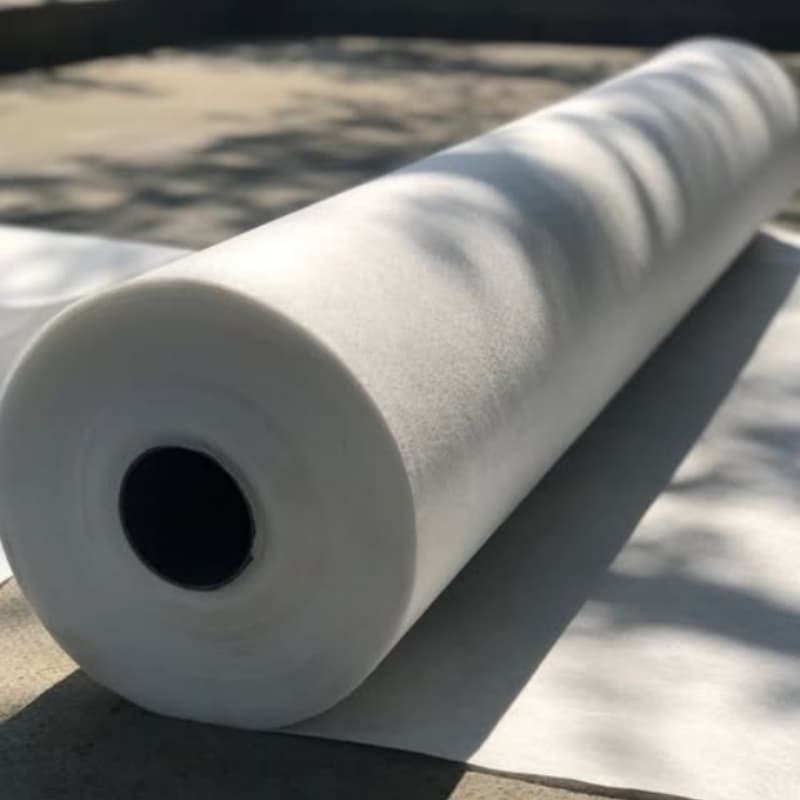
In Poland, weed control fabric is mainly used in nurseries, orchards, berry plantations, greenhouse growing areas, and landscaping projects. Its main purpose is to suppress weed growth around crops, reduce manual weeding, keep planting areas cleaner and easier to manage.
Poland has a significant fruit and berry production sector. According to Statistics Poland, fruit production from trees was estimated at about 4.2 million tonnes in 2025, while fruit from fruit bushes and berry plantations reached nearly 0.5 million tonnes. The reported crops included raspberries, currants, highbush blueberries and strawberries.
Using weed control fabric can make routine orchard and nursery maintenance more manageable, especially around young trees and planting rows where repeated weed removal is required.
Reduces Repeated Weeding Work
Once the fabric is properly installed, it covers much of the exposed soil around the planting area and reduces the space available for weeds to grow. This reduces the need for repeated manual weeding and makes routine maintenance more convenient.
Keeps Planting Rows Cleaner
A properly installed black weed control fabric creates a clear covered area around planting rows and young trees. This keeps the growing area more organized and makes it easier for workers to inspect and maintain plants.
Allows Rainwater and Irrigation Water to Pass Through
Woven PP fabric is designed with an open woven structure that allows water to pass through. Therefore, rainwater and irrigation water can reach the soil while the fabric continues to cover the surrounding ground.
Reduces Competition From Weeds
Weeds growing close to young plants can compete for water, nutrients and growing space. By reducing weed growth around the planting area, weed control fabric creates a cleaner growing environment for young trees and nursery plants.
Makes Long Planting Rows Easier to Manage
For large orchards and nurseries, long planting rows require considerable maintenance. Using wider rolls of weed control fabric covers larger areas with fewer joints, reducing unnecessary cutting and making installation more efficient.
| Item | Specification |
| Material | Woven Polypropylene |
| Weight | 90-150g/㎡, depending on application |
| UV Resistance | UV stabilized for outdoor applications |
| Installation | Ground staples / flxing pins |
1. Prepare the Ground
Before laying the weed control fabric, remove large stones, branches, existing weeds, roots and other sharp objects from the installation area. Fill obvious holes and level uneven sections where necessary. A reasonably clean and level surface helps the fabric sit flat and reduces the risk of punctures, wrinkles or gaps after installation.
2. Lay the Fabric
Unroll the weed control fabric along the planting rows or the planned coverage direction. Keep the material reasonably flat during installation and avoid excessive stretching. Allow the fabric to follow the general shape of the ground while keeping the surface as smooth as practical. For larger areas, align adjacent rolls before fixing them.
3. Overlap the Rolls
When two rolls meet, overlap the edges sufficiently to meet the site conditions and fixing method. Make sure the overlapping sections remain aligned and do not leave open gaps between adjacent pieces. Proper overlap maintains continuous ground coverage and reduces the possibility of weeds growing through uncovered areas.
4. Fix the Fabric
Use ground staples, fixing pins or other suitable fixing materials to secure the fabric. Place fixings along the edges and add additional fixing points in areas that may be exposed to movement, wind or frequent access. Keep the fabric reasonably flat while fixing and make sure the fixing points hold the material securely against the ground.
5. Make Plant Openings
For trees, shrubs and other plants, make an appropriate opening in the fabric around each planting position. The opening should be large enough for the plant to grow and for normal maintenance, but avoid making it unnecessarily large. A properly sized opening maintains greater fabric coverage around the plant and limits exposed soil where weeds can develop.
6. Inspect the Installation
After installation, inspect the entire covered area carefully. Check the fabric edges, overlaps, fixing points and plant openings to make sure they are properly positioned and secured. Correct obvious wrinkles, loose sections or exposed gaps before completing the installation. Regular inspection after installation can also help identify areas that may require additional fixing or maintenance.
In a Polish orchard, NUOKUN recommended black woven PP weed control fabric with a weight of approximately 100–130 g/m². Weeds can grow easily in orchard planting areas, while traditional manual weeding requires considerable time and labor costs. In addition, limited space around fruit trees makes mechanical weeding difficult and may bring equipment too close to young tree roots. To address these issues, the weed control fabric covers exposed soil, reduces light reaching the soil surface, limits weed germination and growth, and keeps the planting area clean.
Before installation, weeds, stones, and sharp objects should be removed and the ground should be leveled as much as possible. The fabric should be cut to meet the fruit-tree row spacing, with suitable openings reserved around tree trunks. Adjacent sections should overlap properly to avoid exposed areas, and ground pins should be used to secure the fabric and prevent movement in windy conditions. The fabric should not be pressed too tightly around tree trunks, leaving appropriate space for the trees. After installation, the joints, edges, and fixing points should be checked to ensure the fabric remains flat and secure. The installed weed control fabric reduces light reaching exposed soil, reduces weed-management pressure and the frequency of manual weeding, and provides a practical ground-covering solution for orchard planting rows.
For Polish orchards and nurseries, the right weed control fabric can reduce exposed soil, limit weed growth and make routine ground maintenance easier. The key is not simply choosing a heavier fabric. Material, UV resistance, weight, mechanical strength, water permeability, width and installation quality should be considered together.
A suitable woven PP weed control fabric can keep planting rows cleaner, reduce repeated weed-management work and provide a practical ground-cover solution for long-term outdoor planting areas.
Q1. Is woven PP weed control fabric suitable for orchards?
Yes. Woven PP weed control fabric can be used around fruit trees, planting rows and nursery plants when the selected specification is suitable for outdoor conditions.
Q2. What weight should I choose for an orchard?
A common reference range is 90–150 g/m², but the final weight should depend on the actual application, expected traffic, UV exposure, installation conditions and required service performance.
Q3. Is heavier fabric always better?
No. The correct product depends on the application. Fabric weight should be considered together with UV resistance, mechanical strength, water permeability, installation conditions and expected service life.
Tinggalkan pesan
Scan to Wechat/Whatsapp :



 English
 Français
 Deutsch
 Русский
 Español
 Português
 عربي
عربي Tiếng Việt
 Indonesia
 हिन्दी



 IPv6 DUKUNGAN JARINGAN