Tinggalkan pesan
Jika Anda tertarik dengan produk kami dan ingin mengetahui lebih detail, silakan tinggalkan pesan di sini, kami akan membalas Anda sesegera mungkin.

Jaring Drainase Geokomposit vs. Drainase Kerikil Tradisional: Mana yang Lebih Praktis?
Jaring Drainase Geokomposit
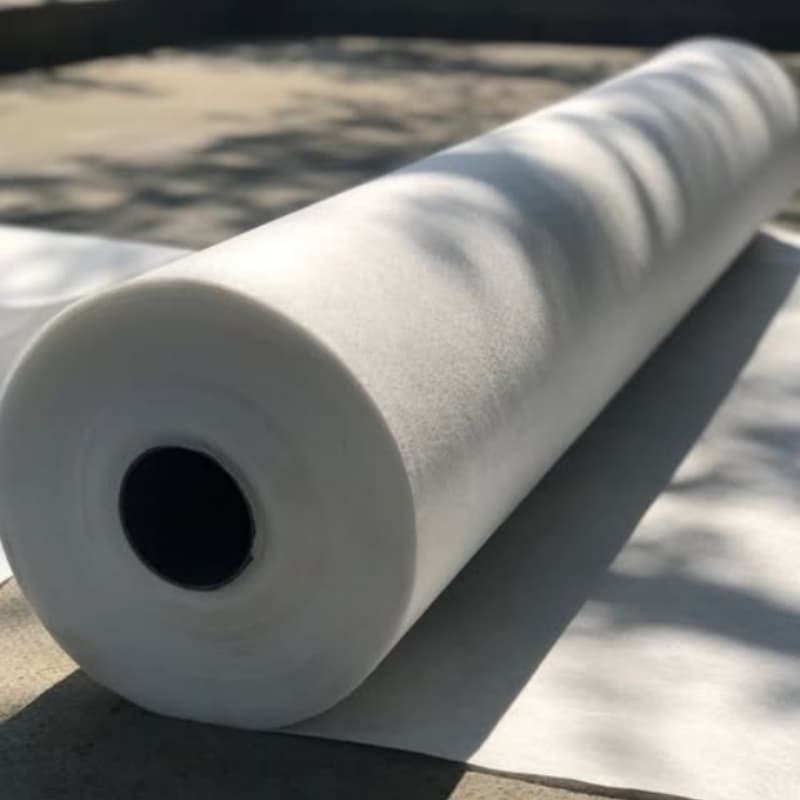
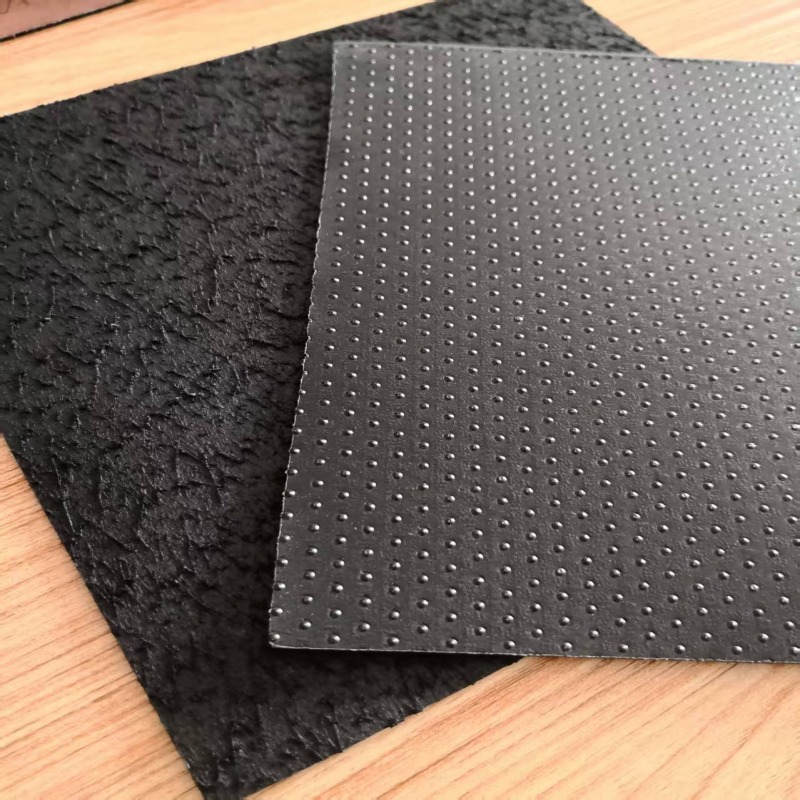
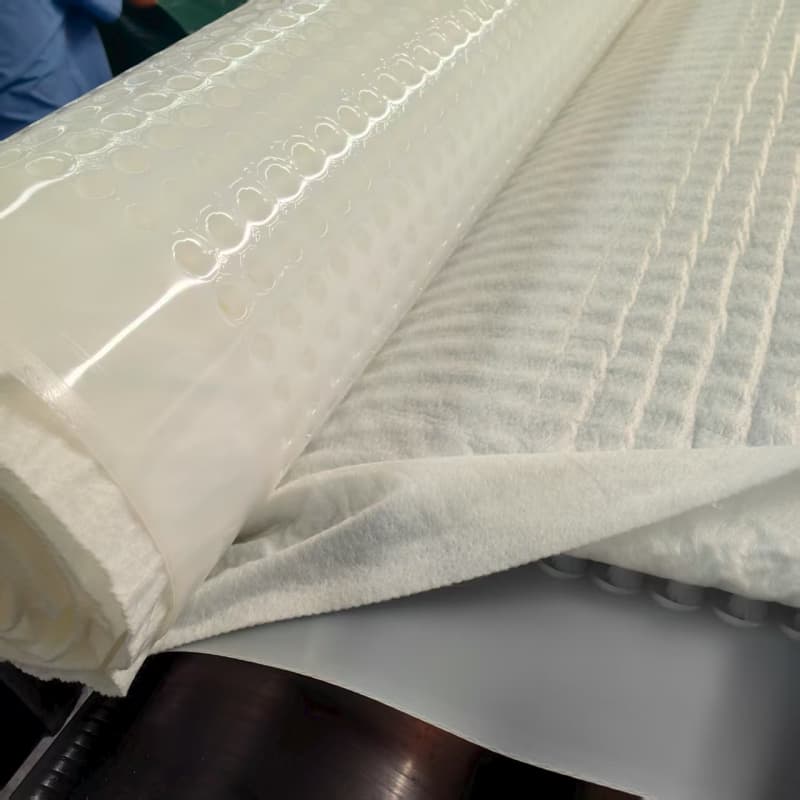
Jaring drainase geokomposit adalah produk drainase geosintetik yang terdiri dari inti drainase yang dikombinasikan dengan lapisan filter geotekstil. Inti drainase menciptakan jalur aliran kontinu untuk cairan, sementara lapisan geotekstil dapat membantu mencegah partikel tanah masuk ke dalam struktur drainase.
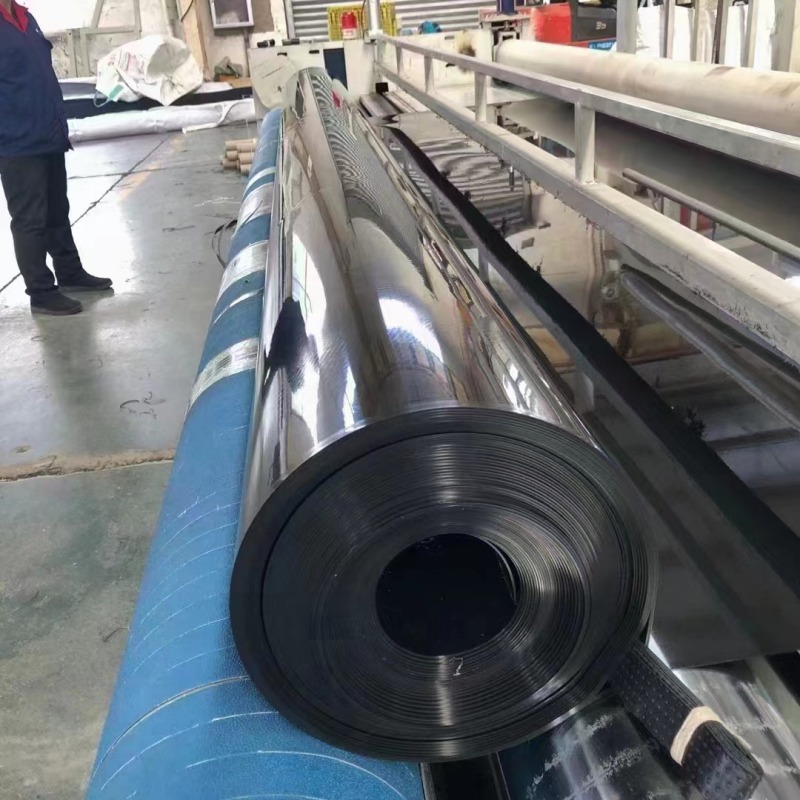
Berbeda dengan agregat lepas, jaring drainase geokomposit biasanya dipasok dalam bentuk gulungan. Jaring ini dapat dipasang, ditumpangtindihkan, dan diamankan sesuai dengan desain proyek tanpa perlu mengangkut dan menempatkan sejumlah besar kerikil di lokasi.
Struktur ini membuat jaring drainase geokomposit sangat berguna di tempat-tempat di mana ketebalan material, kecepatan pemasangan, atau ruang yang tersedia merupakan pertimbangan penting.
Drainase Kerikil Tradisional
Sistem drainase kerikil tradisional menggunakan kerikil atau agregat bergradasi untuk menciptakan lapisan dengan rongga yang saling terhubung. Air mengalir melalui ruang-ruang ini, memungkinkan lapisan drainase untuk mengumpulkan dan mengalirkan cairan.
Ini adalah metode konstruksi yang sudah mapan dan tetap banyak digunakan dalam pembangunan jalan, pondasi, parit drainase, dan banyak aplikasi teknik sipil lainnya.
Namun, drainase kerikil umumnya membutuhkan lapisan drainase yang relatif tebal dan melibatkan pengiriman material, bongkar muat, penyebaran, dan perataan. Oleh karena itu, kondisi transportasi dan ruang kerja yang tersedia dapat berdampak langsung pada efisiensi konstruksi.
| Barang | Jaring Drainase Geokomposit | Drainase Kerikil Tradisional |
| Struktur | Inti drainase + geotekstil | Kerikil atau agregat bergradasi |
| Instalasi | Membuka gulungan, menumpuk, dan mengamankan | Pengiriman, penyebaran, dan perataan |
| Penyaringan | Dapat diintegrasikan dengan geotekstil | memerlukan lapisan filter terpisah |
| Aplikasi Umum | Tempat pembuangan sampah, struktur penahan tanah, terowongan, dll. | Jalan raya, pondasi, parit drainase, dll. |
| Keunggulan Utama | Ringan, tipis, dan mudah dipasang | Metode yang sudah mapan dengan bahan-bahan yang mudah didapat. |
Seiring dengan semakin besarnya proyek dan semakin menantangnya kondisi konstruksi, beberapa keterbatasan praktis dari drainase agregat tradisional semakin mendapat perhatian.
Pertimbangan pertama adalah transportasi.
Lapisan drainase kerikil yang besar membutuhkan sejumlah besar agregat. Ketika proyek berada jauh dari sumber agregat atau akses jalan terbatas, volume transportasi kerikil dalam skala besar dapat meningkatkan kebutuhan logistik dan pengelolaan lokasi.
Jaring drainase geokomposit dipasok dalam bentuk gulungan. Area drainase yang luas dapat ditutupi menggunakan bentuk muatan yang relatif kompak, yang dapat menyederhanakan transportasi dan penyimpanan.
Pertimbangan kedua adalah ruang.
Drainase kerikil membutuhkan ketebalan yang cukup untuk menciptakan lapisan drainase yang efektif. Jaring drainase geokomposit jauh lebih tipis, yang dapat bermanfaat di tempat yang ruangnya terbatas atau ketebalan struktur secara keseluruhan perlu dikendalikan.
Pertimbangan ketiga adalah efisiensi instalasi.
Drainase kerikil biasanya memerlukan pengiriman, bongkar muat, penyebaran, dan perataan. Jaring drainase geokomposit terutama memerlukan pemasangan dan pengamanan dengan cara digulung, sehingga mengurangi jumlah material lepas yang perlu ditangani di lokasi.
Sistem drainase geokomposit mengintegrasikan drainase dan filtrasi ke dalam satu produk, mengurangi kebutuhan akan lapisan terpisah dalam desain sistem yang sesuai. Oleh karena itu, jaring drainase geokomposit semakin populer, sementara drainase kerikil tetap banyak digunakan. Pilihan tersebut seringkali bergantung pada efisiensi konstruksi, pemanfaatan ruang, dan biaya logistik dalam proyek-proyek modern.
Jika agregat berkualitas tinggi mudah didapatkan di dekat lokasi proyek dan jarak transportasinya pendek, kerikil dapat menjadi pilihan yang praktis dan ekonomis. Drainase kerikil juga bisa menjadi pilihan yang baik jika tersedia ruang konstruksi yang cukup dan desain proyek memungkinkan lapisan drainase yang relatif tebal.
Untuk proyek jalan raya, pondasi, dan drainase konvensional, sistem agregat bertingkat mungkin sudah termasuk dalam desain awal. Jika lokasi proyek memiliki peralatan, tenaga kerja, dan akses material yang memadai, mungkin tidak ada alasan untuk mengganti metode konstruksi yang sudah mapan hanya demi menggunakan material yang berbeda.
Sistem drainase kerikil tradisional tetap sangat praktis ketika:
Dengan kata lain, drainase kerikil tradisional bukanlah solusi yang ketinggalan zaman. Jika pasokan lokal, transportasi, dan kondisi lokasi menguntungkan, sistem ini menyediakan sistem drainase yang andal dan ekonomis.
Tempat Pembuangan Sampah Sutton Wick di Oxfordshire, Inggris, memberikan contoh nyata bagaimana tim teknik mengevaluasi berbagai opsi drainase untuk sistem pengumpulan lindi tempat pembuangan sampah. Alih-alih hanya mengandalkan lapisan drainase kerikil konvensional, proyek ini membandingkan drainase kerikil tradisional dengan sistem drainase geosintetik melalui penilaian teknik dan pengujian spesifik lokasi.
Opsi kerikil mengandalkan rongga di antara partikel agregat untuk menciptakan jalur drainase, sedangkan opsi geosintetik menggunakan drainase geokomposit Struktur ini dirancang untuk menyediakan jalur drainase yang berkelanjutan. Pemilihan struktur mempertimbangkan faktor-faktor seperti kinerja drainase, kondisi kemiringan, ketebalan material, persyaratan pemasangan, dan kondisi penggunaan jangka panjang.
Proyek ini menunjukkan bahwa pemilihan material drainase tidak boleh hanya berdasarkan harga satuan. Persyaratan proyek, kondisi lokasi, persyaratan konstruksi, dan biaya keseluruhan perlu dipertimbangkan saat memilih sistem drainase yang paling sesuai.
Jaring drainase geokomposit dan drainase kerikil tradisional Keduanya merupakan solusi teknik yang sudah mapan, tetapi cocok untuk kondisi proyek yang berbeda.
Drainase kerikil tradisional Keuntungannya berasal dari ketersediaan material yang luas, praktik konstruksi yang sudah mapan, dan pengalaman lapangan yang ekstensif. Jika agregat mudah didapatkan dan ruang konstruksi mencukupi, metode ini tetap menjadi pilihan yang praktis.
Jaring drainase geokomposit Sistem ini sangat menarik terutama ketika berat material, ruang instalasi, efisiensi transportasi, dan kecepatan konstruksi menjadi faktor penting. Sistem ini sangat berguna untuk proyek-proyek besar, lokasi dengan keterbatasan ruang, dan aplikasi di mana pengangkutan dan penempatan agregat dalam jumlah besar akan sulit dilakukan.
Bagi pembeli, pertanyaan terpenting bukanlah sekadar material mana yang "lebih baik." Pendekatan yang lebih baik adalah mempertimbangkan aplikasi proyek, persyaratan drainase, kondisi lokasi, jarak transportasi, dan total biaya proyek sebelum memilih solusi drainase yang paling tepat.
Penyaringan dapat mencegah partikel tanah halus masuk dan menyumbat jalur drainase, sehingga membantu menjaga kinerja drainase.
Ya. Mereka dapat memberikan alternatif jika diperlukan lapisan drainase yang lebih tipis, transportasi yang lebih mudah, atau pemasangan yang lebih cepat.
Belum tentu. Pilihan yang lebih baik bergantung pada kondisi proyek, persyaratan drainase, ruang yang tersedia, transportasi, dan biaya pemasangan.
Tinggalkan pesan
Scan to Wechat/Whatsapp :



 English
 Français
 Deutsch
 Русский
 Español
 Português
 عربي
عربي Tiếng Việt
 Indonesia
 हिन्दी



 IPv6 DUKUNGAN JARINGAN