
Tinggalkan pesan
Jika Anda tertarik dengan produk kami dan ingin mengetahui lebih detail, silakan tinggalkan pesan di sini, kami akan membalas Anda sesegera mungkin.

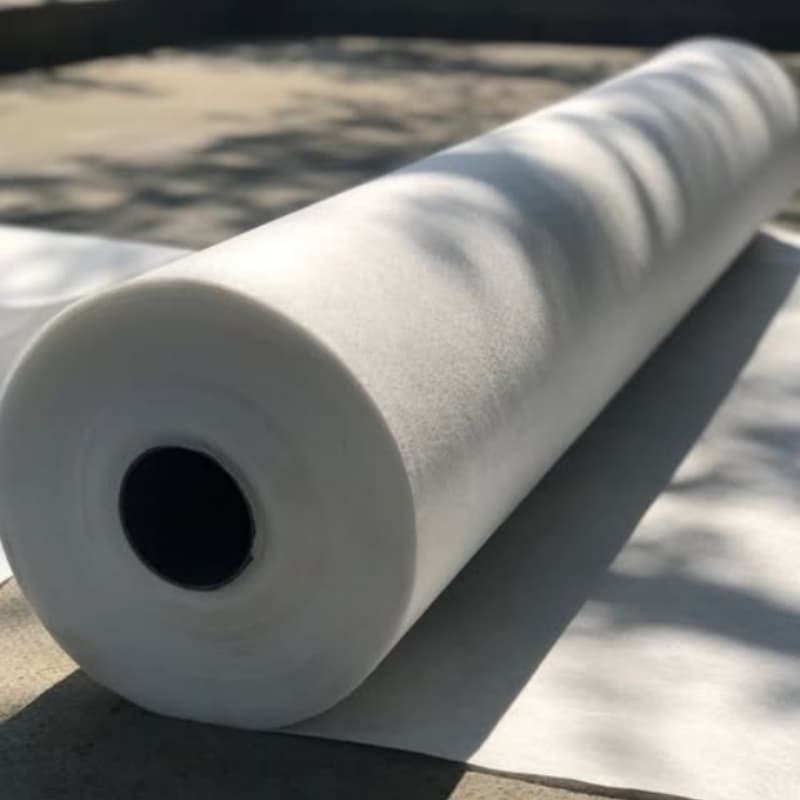
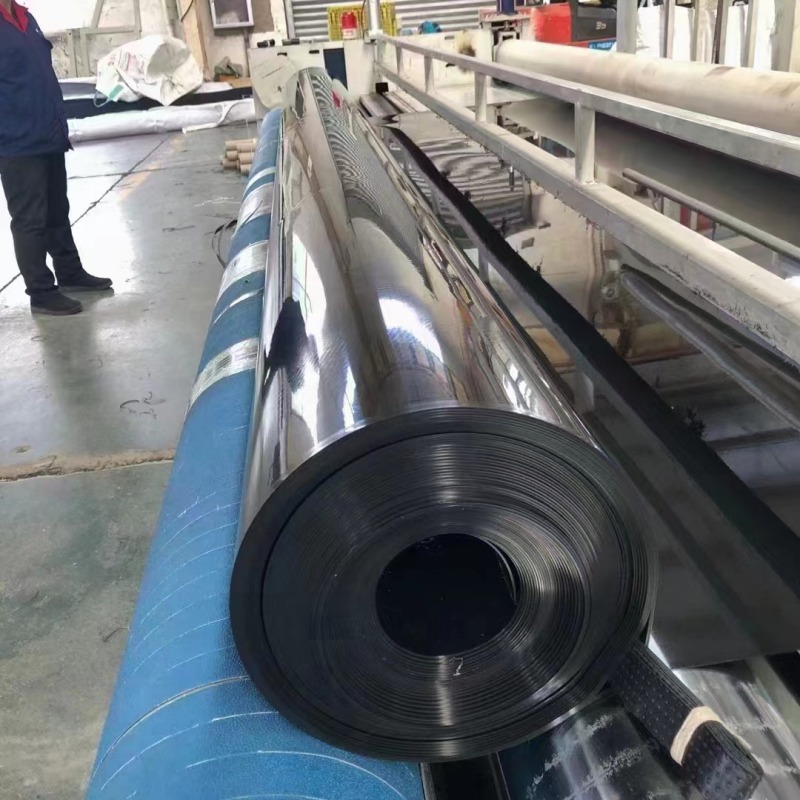
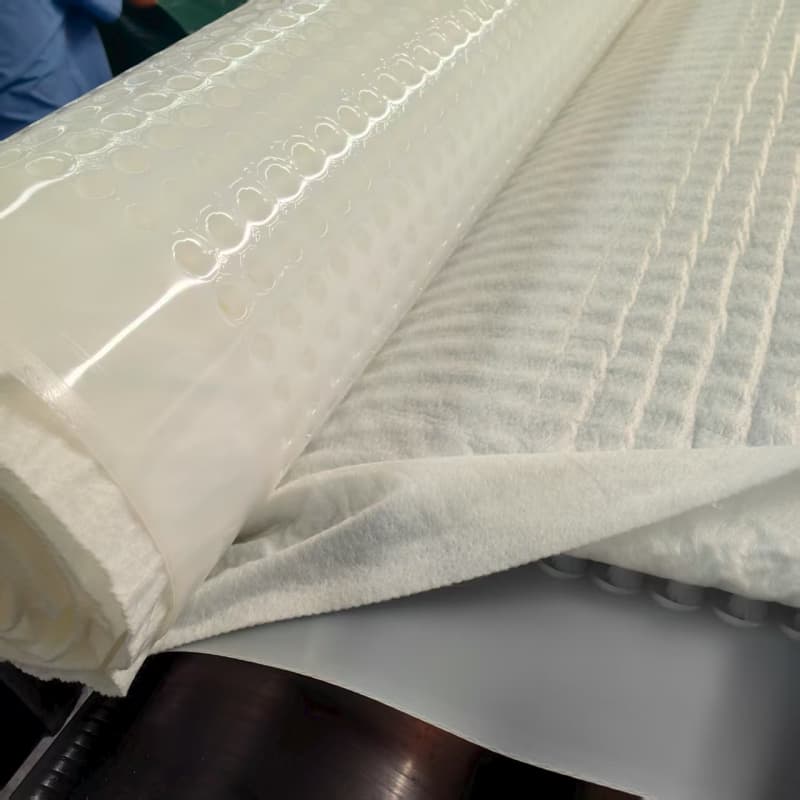
PET nonwoven geotextile is a polyester geosynthetic material. It mainly used for filtration, drainage, soil separation, and protection in dam engineering. NUOKUN can manufacture PET nonwoven geotextiles ranging from 100 to 1,000 g/m². For dam drainage and filtration projects, we recommend considering 300 g/m² as an initial option.
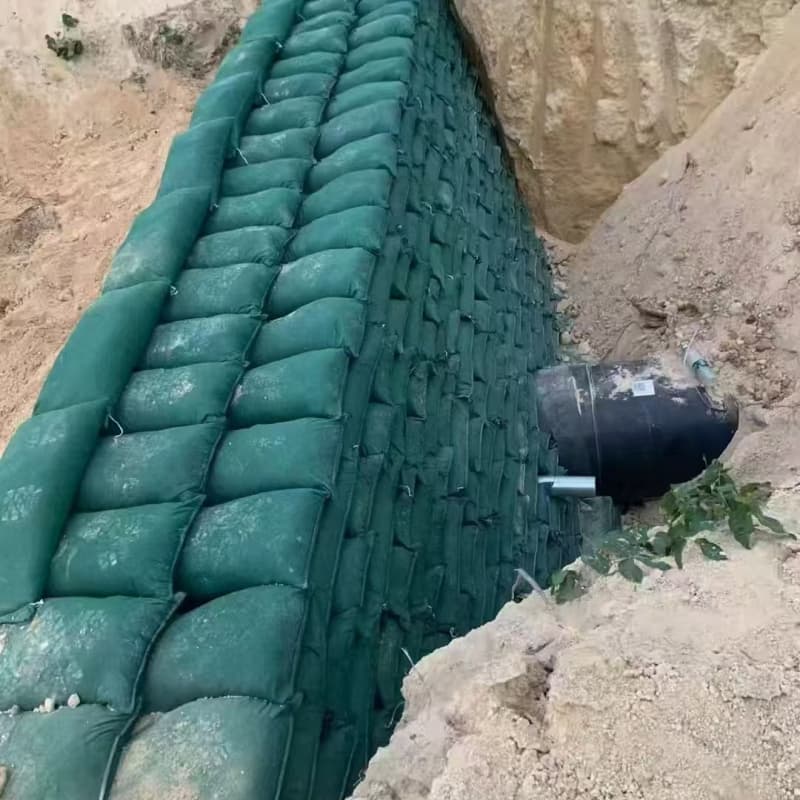
Water can seep through dam embankments and foundations. If the drainage system is not properly designed, moving water may carry fine soil particles into drainage aggregate or pipes, potentially affecting long-term drainage performance. 300g/m² PET nonwoven geotextile can serve as a filter between the surrounding soil and a granular drainage layer. It allows water to pass while limiting soil particle migration and maintaining the intended function of the drainage structure.
1. Filtration and Soil Particle Retention
As seepage water moves through the dam soil toward a drainage structure, it may transport fine sand, silt, and other particles. Geotextile allows water to pass while retaining soil particles, reducing the risk of fine material entering the drainage aggregate.
2. Drainage Support and Seepage Management
PET nonwoven geotextile has water-permeable properties and can be used with gravel layers, drainage pipes, and other drainage components. In a properly designed system, the geotextile provides filtration, the granular layer provides a drainage pathway, and the pipes collect and discharge water. These components must work together to meet the project’s drainage requirements.
3. Separation of Different Materials
Dam projects may contain soils and aggregates with different particle-size distributions. Geotextile can be installed between these materials to limit mixing and maintain the structure of the drainage layer. The need for a separation layer and the appropriate product grade should be established by the engineering design.
4. Supporting Long-Term Drainage Performance
Dam drainage systems are generally expected to function over extended periods. Therefore, geotextile must meet not only installation-stage mechanical requirements but the filtration requirements of the surrounding soil. If fine particles accumulate within or against the geotextile, its water permeability may decline over time.
| Item | Parameters |
| Weight | 100-1000g |
| Longitudinal and transverse breaking strength(KN/m) | 2.5 - 32 |
| CBR bursting strength /KN | 0.3 -5.4 |
| tearing strength | 0.08 - 0.74 |
| Length | 50-100m |
Q1: What's in it for you when you choose us?
Certifications: GB/T19001-2016/ISO9001.
Real-Time Updates: we provide regular updates on production progress and shipment status, along with photos and videos of the production and loading process, so you can stay informed about your order at every stage.
After-Sales Service: provide the required documents promptly, offer professional online engineering and technical support and so on.
Q2: Can 300 g/m² PET nonwoven geotextile be used for every dam?
No. Dam structures, geological conditions, seepage characteristics, and drainage designs vary. The product grade must be selected to meet the specific engineering requirements.
Q3: How do I choose the right geotextile for dam drainage filtration?
Selection should consider soil particle-size distribution, apparent opening size (AOS), water permeability, tensile strength, puncture resistance, and installation conditions. For critical projects, a soil–geotextile compatibility assessment may be necessary to evaluate particle retention and flow capacity.
Tinggalkan pesan
Scan to Wechat/Whatsapp :



 English
 Français
 Deutsch
 Русский
 Español
 Português
 عربي
عربي Tiếng Việt
 Indonesia
 हिन्दी


 IPv6 DUKUNGAN JARINGAN